
Situations
How to Sell an Inherited House in Probate in Maryland
A practical Maryland guide to Register of Wills letters, property clean-out, holding costs, and how personal representatives can sell an inherited house as-is for cash.
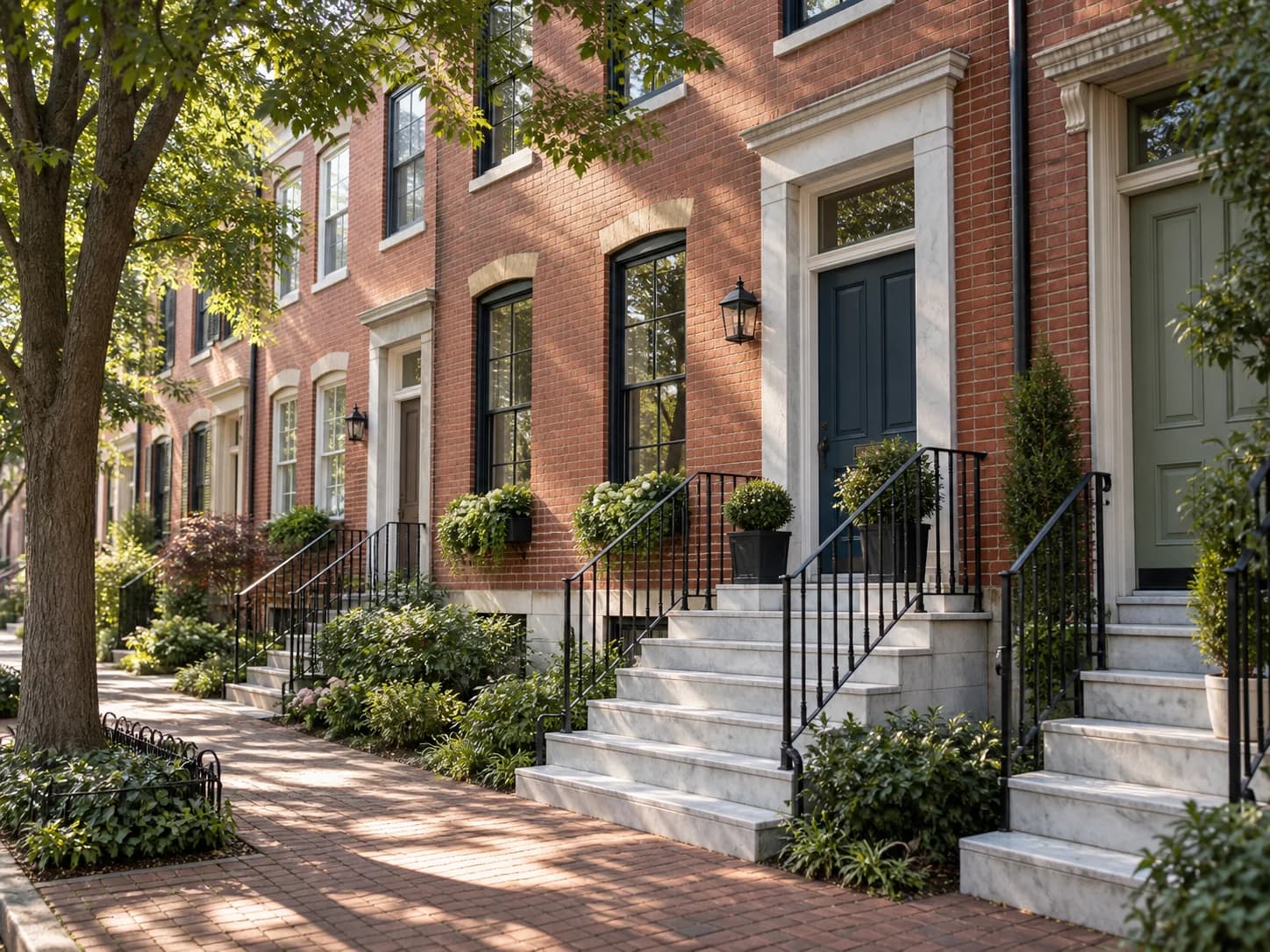
Inheriting a house in Maryland often comes at an already stressful moment. Between family decisions, decades of personal belongings, ongoing mortgage or tax bills, and an unfamiliar probate process, many personal representatives wonder whether they have to renovate or empty the property before selling it.
1. Confirm who has legal authority to sell in Maryland
Before any purchase agreement can close, the title company must confirm who has authority to convey the property. How a Maryland house passes after death depends on how the deed was titled:
- Joint tenants with right of survivorship or tenants by the entirety: title generally passes automatically to the surviving co-owner.
- Life estate deed or revocable trust: title transfers under the deed or trust instrument, often outside formal probate.
- Sole ownership (or tenants in common): the estate typically opens with the local county Maryland Register of Wills, which issues Letters of Administration naming the Personal Representative.
You do not have to wait until every box is packed to start exploring value or getting an offer—you can discuss the home early and coordinate the closing date with your estate attorney and Maryland title company.
2. Account for ongoing carrying costs while the house sits
An empty house in Baltimore, Baltimore County, Harford County, or Montgomery County continues to accumulate expenses every month: property taxes, vacant-home insurance (often much higher than standard homeowner coverage), utilities, lawn care, snow removal, and municipal maintenance notices.
When comparing a traditional listing against a direct cash sale, include those monthly carrying costs alongside repair bids, clean-out dumpsters, and agent commissions.
3. Decide whether to renovate, clean out, or sell strictly as-is
Many inherited Maryland homes have been lovingly lived in for 30 to 50 years—which frequently means original kitchens, older roofs, aging furnaces, basement moisture, or full attics and basements. Listing on the MLS for top retail price typically requires emptying the home completely, funding repairs that satisfy a buyer's lender, and waiting through showings and financing contingencies.
With an as-is cash sale, the family takes the heirlooms, documents, and personal items they want to keep and leaves the remaining furniture and deferred repairs behind. We factor the clean-out and renovation work directly into a clear cash offer.
4. Coordinate title payoffs, liens, and remote family signatures
A licensed Maryland title company handles the title search, verifies any existing mortgages, water bills, ground rent, or estate tax/inheritance clearances, and prepares the settlement statement. If heirs or personal representatives live out of state—common for estates in Annapolis, Eldersburg, or Kent County—remote notarization and mail-away closings keep the process moving without multiple trips back to Maryland.
5. Questions to ask before choosing how to sell
- Does the Personal Representative have Letters of Administration (or is probate about to open)?
- Do all co-owners or heirs agree on timing and whether to sell as-is?
- How much cash would repairs and clean-out require before listing?
- What closing date gives the family enough breathing room to sort personal belongings?
If you want a clear baseline number to share with family members or your estate attorney, request a no-obligation cash offer or speak directly with our Fallston-based team.
General home-selling information, not legal, tax, or financial advice. Speak with a qualified Maryland professional about questions specific to your transaction.